

Healthy Aging vs. Anti-Aging: A Clinical Guide to Aging Well
Healthy Aging vs. Anti-Aging: A Clinical Guide to Aging Well
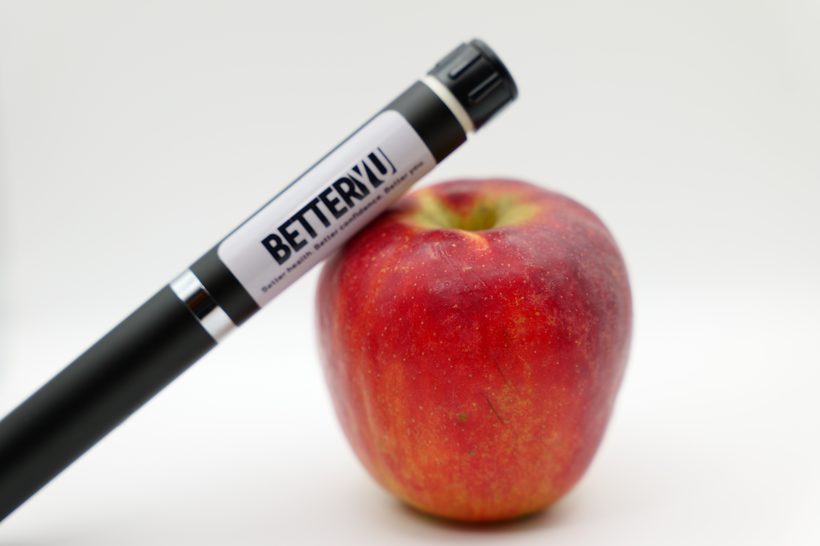
Healthy aging is a clinical framework for maintaining function, resilience, and healthspan across the decades — not a promise to stop, reverse, or erase the aging process. Anti-aging, by contrast, is largely a marketing term that suggests a biological outcome no product can deliver.
The distinction matters because it changes what you actually do. If you’ve already dialed in sleep, training, nutrition, and lab work, the next honest question isn’t how to look younger — it’s how to keep the version of yourself you’ve built. That’s the terrain this guide covers: what healthy aging means in a clinical context, what the science of longevity actually says, and how a provider-guided program fits alongside the work you’re already doing.
Key Takeaways
- Healthy aging targets healthspan — the quality of years — rather than promising to reverse chronological age.
- Biological age reflects how your systems are functioning; chronological age is only a calendar number.
- Sleep, training, nutrition, and stress management are the foundation. Clinical programs are considered on top of that foundation, case-by-case.
- BetterYu’s RADIANCE and TIMELESS pens sit in the Skin, Hair & Longevity category, alongside Energy & Metabolic, Recovery & Repair, Muscle & Performance, and Body Composition.
- Prescriptions are dispensed by an independent accredited pharmacy partner (an independent accredited compounding pharmacy, PCAB-, NABP- and LegitScript-certified, compounds and ships the medication) operating under section 503A of the FD&C Act, applicable state board requirements, and USP <797> sterile compounding standards.
The real difference between healthy aging and anti-aging
Healthy aging is a clinical orientation toward preserving function — cognitive sharpness, physical capacity, recovery, skin and tissue integrity — across the decades you’re going to live anyway. Anti-aging is a category of marketing claims that implies you can pause or reverse the underlying biology. The first is a plan you can actually execute. The second is a promise that outruns the evidence.
You can’t reverse aging. You can influence how well you age.
The reframe is more useful than it sounds. Once you stop chasing a reversal that isn’t coming, you can start making decisions about what to protect: the training capacity you built, the mental sharpness you rely on at work, the visible vitality that reflects how your cells are actually doing. Healthy aging is the language for that work.
Biological age vs. chronological age
Chronological age is a calendar number. Biological age is a functional estimate of how your systems — cardiovascular, metabolic, cognitive, cellular — are performing relative to expected patterns. Two people the same age on paper can look, feel, and test very differently. Chronological age doesn’t tell the whole story.
That’s why the healthy aging conversation is more useful when it’s specific. Recovery time after training, resting metabolic patterns, cognitive endurance late in the day, skin quality, sleep depth — these are the axes where change shows up first. If you track them, you’re already thinking in biological-age terms even if you haven’t used the phrase.
Healthspan is the real goal
Lifespan is how long you live. Healthspan is how long you live well — how many of those years are spent doing the things you actually care about. The BetterYu Skin, Hair & Longevity category is built around healthspan, not just longevity as a raw number. Quality of years, not just quantity.
What longevity science actually describes
Researchers describe aging through a framework known as the hallmarks of aging — now comprising twelve interconnected biological patterns, as updated in the landmark 2023 López-Otín et al. paper in Cell. Genomic instability, telomere attrition, epigenetic alterations, mitochondrial dysfunction, cellular senescence, and chronic inflammation are among the twelve hallmarks researchers study most intensively in the current framework. None of these is a single lever you can pull. Together they describe why the body changes.
Cells that stop dividing but don’t clear out, accumulating in tissue over time. Researchers have proposed this contributes to age-related decline.
Telomeres — protective caps on chromosomes — shorten with each cell division. Their length is one measured signal researchers study in longevity work.
Mitochondria — the cellular machinery behind energy production — become less efficient over time, which researchers link to the fatigue and slower recovery patterns many people describe.
Cellular energy support drops with age is the shorthand version. When mitochondrial function declines, the downstream effects — slower recovery, less training capacity, the mid-afternoon flatness that wasn’t there ten years ago — start showing up in real life. Cognitive sharpness sits in the same neighborhood. Neurological aging isn’t just a memory story; it’s an energy and signaling story too.
The lifestyle foundation — and where it stops
Sleep, resistance training, protein intake, cardiovascular fitness, stress management, alcohol restraint, and sun exposure discipline are the foundation of healthy aging. There is no program, prescription, or clinical layer that replaces this work. If you’ve been reading the longevity literature, you already know this.
The honest question — the one that brings most people to a platform like BetterYu — comes further down the road. You’ve already optimized the basics. Your sleep is protected. Your training is consistent. Your labs are tracked. And yet the recovery is a little slower, the skin has changed, the cognitive endurance late in the day isn’t quite what it was. Sleep and diet only go so far.
That’s the terrain where a clinical layer becomes a real question — not because lifestyle has failed, but because you’ve extracted most of what it can offer and want to consider what else might be appropriate for someone in your situation. Candidacy for that clinical layer is individual and is determined by a licensed provider after reviewing your history.
Proactive, not reactive
The other timing question is when to start. The proactive longevity orientation is straightforward: address the biology while function is still high, rather than waiting for a symptom you can’t ignore. Don’t wait for symptoms to become losses.
The clinical layer: provider-guided programs
In BetterYu’s Skin, Hair & Longevity category, which includes RADIANCE and TIMELESS, the TIMELESS pen is built to support collagen production and skin quality as you age. It is a prescription wellness program considered case-by-case by a licensed provider, and what it contains depends on what your provider directs. Individual results vary. What’s appropriate for you specifically is a clinical decision, not a menu choice.
Sourcing matters as much as the program itself. BetterYu’s prescriptions are dispensed by an independent accredited pharmacy partner (an independent accredited compounding pharmacy, PCAB-, NABP- and LegitScript-certified, compounds and ships the medication) operating under section 503A of the Federal Food, Drug, and Cosmetic Act and applicable state requirements. Compounded medications are not reviewed or approved by the FDA for safety, effectiveness, or quality before they are dispensed, and a licensed provider determines whether a compounded prescription is appropriate for the individual patient. That distinction — between products approved by the FDA, compounded prescriptions, and products from an unregulated online source with no clinical oversight — is the one to keep straight when you’re evaluating options.
| What to look for | Unregulated online source | BetterYu telehealth |
|---|---|---|
| Licensed provider review | None | Yes |
| Independent accredited pharmacy partner | Unverified | Yes |
| Identity, purity, potency, sterility, labeling accountability | Unreliable | Yes |
| Pre-measured pen, no reconstitution | No | Yes |
Every program in this category runs a fixed term. Toward the end of the term, your provider reviews your progress and decides whether to continue, switch programs, or take a planned break. There is no standard break. Read more about how the format works in our overview of prescription wellness pens, and about clinical oversight on our page for BetterYu’s licensed providers.
Healthy aging is a plan you can execute — not a promise to reverse the calendar. The clinical layer sits on top of the lifestyle work, not instead of it. — The BetterYu Clinical Team
When to start thinking about healthy aging
The most useful moment to think about healthy aging is before you have a reason to. If you’ve noticed that recovery from training takes an extra day, that skin quality has shifted, that mental sharpness fades earlier in the afternoon, or that you’re doing everything you used to do and getting a little less back — these are patterns worth naming, not evidence of a problem to catch up on later.
It’s also the point at which to name the other side of the conversation honestly. Symptoms like persistent fatigue, weight change, poor sleep, or cognitive change can be associated with recognized medical conditions — thyroid disorders, iron or vitamin deficiency, sleep apnea, depression, diabetes, hormonal changes, medication side effects, and others. A healthy aging conversation is not a substitute for evaluating those possibilities with a primary care provider. It’s a parallel track: the work of aging well, alongside — not instead of — appropriate medical care.
This article is educational and does not provide a diagnosis or individual treatment recommendation. Prescription products are used only under the supervision of a licensed provider. Discuss your history, current medications, and any symptoms with a provider before starting any new therapy.
Frequently asked questions
What is the difference between healthy aging and anti-aging?
Healthy aging is a clinical orientation toward preserving function, healthspan, and resilience across the decades. Anti-aging is largely a marketing term implying you can stop or reverse the underlying biology — which the evidence does not support. Healthy aging is a plan you can execute; anti-aging is a promise no product delivers.
What lifestyle factors most affect how we age?
Sleep quality, resistance training and cardiovascular fitness, adequate protein and overall nutrition, stress management, alcohol restraint, and sun exposure discipline are the most consistently studied. These form the foundation. Any clinical program is considered on top of that foundation, not as a substitute for it.
Can a provider help with a healthy aging plan?
Yes. A licensed provider can review your history and goals, discuss recognized medical causes of any symptoms you’re noticing, and determine whether a provider-guided prescription program is appropriate for your situation. Candidacy is individual. Completing an intake does not guarantee treatment or a prescription.
When should I start thinking about healthy aging?
The proactive orientation is to address the biology while function is still high, rather than waiting for a change you can’t ignore. If you’ve already optimized sleep, training, and nutrition and are noticing subtle shifts in recovery, skin, or cognitive endurance, that’s a reasonable point to have the conversation.
 Previous Post
 Next Post