
Why Am I Always Tired? Cellular Energy and What Actually Helps
Why Am I Always Tired? Cellular Energy and What Actually Helps
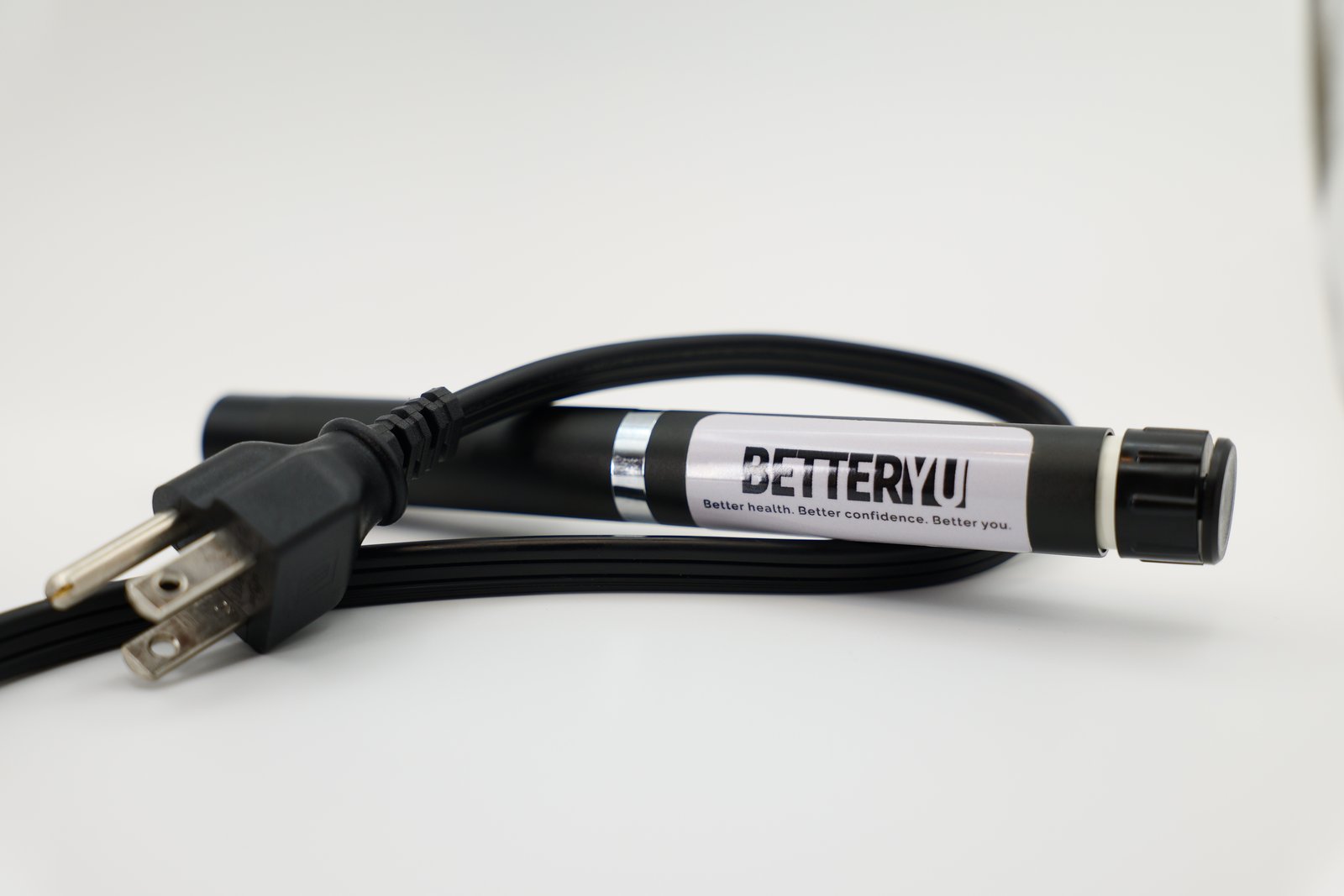
Persistent fatigue is the mismatch between the energy our cells produce and the energy our lives demand — and it can persist even when standard bloodwork looks fine. That’s the frustration behind the question so many high-functioning readers ask themselves at 2:47pm on a Tuesday: why am I always tired?
Sleep was seven hours. Lunch was reasonable. The last physical came back “unremarkable.” And still, by mid-afternoon, the body is running at 40% while the calendar demands 100%. This is the paradox that sends analytical, capable people down the rabbit hole of cellular energy, mitochondrial health, and evidence-based interventions — because at some point, “you’re fine” stops being an answer.
Key Takeaways
- Standard lab panels measure blood markers, not cellular energy production — normal labs and real fatigue can coexist.
- Mitochondrial function may decline with age and can be influenced by factors including chronic stress, poor sleep, inactivity, and certain medical conditions.
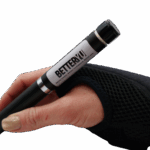
- Provider-guided prescription wellness therapy is delivered through pre-measured injection pens across six wellness categories.
- Protocols run in defined cycles — commonly 12 weeks with a scheduled break — because signaling adapts to continuous stimulation.
- BetterYu is LegitScript certified, dispensed through an FDA-regulated sterile compounding pharmacy, and available in 29 states.
When “normal labs” doesn’t mean nothing is wrong
The normal-labs paradox is the single most common frustration our clinical team hears about. A standard CBC and metabolic panel measure red and white blood cells, electrolytes, kidney and liver markers — none of which reflect how efficiently cells actually generate energy. Standard laboratory testing does not directly measure mitochondrial function, so some individuals experiencing persistent fatigue may have symptoms that are not fully explained by routine bloodwork.
The word “normal” on a lab report also refers to a statistical reference range across a broad population — not an optimal range for a specific person’s output demands. A founder running a company, an attorney litigating a case, a parent of small humans — these people can post “unremarkable” values and still be running significantly below their functional baseline.
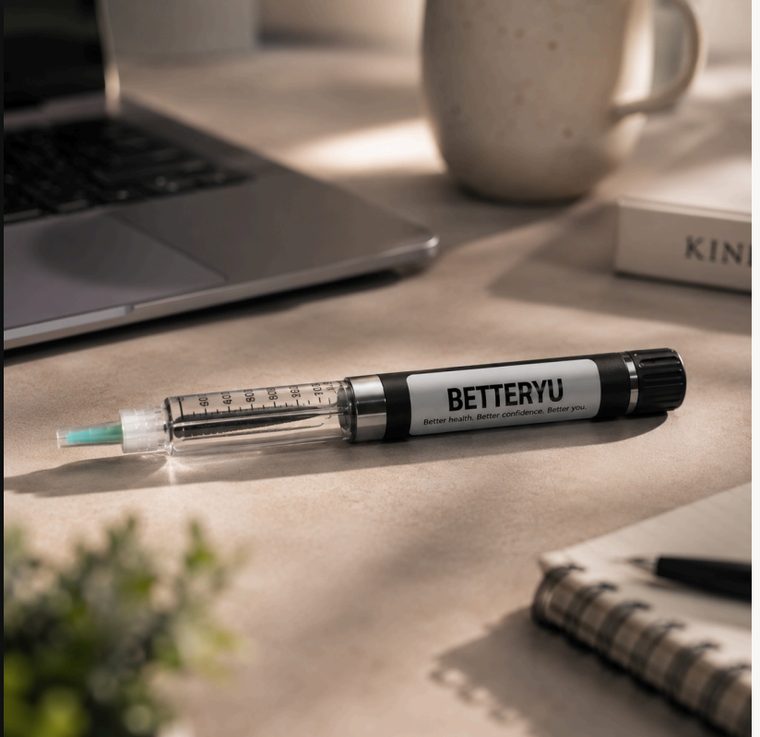
Standard panels weren’t designed to measure cellular fatigue. That gap between how we feel and what the numbers show is where a lot of good people get stuck.
Cellular energy, in plain English
Cellular energy is produced inside mitochondria — the small structures inside nearly every cell that convert food and oxygen into ATP, the molecule our bodies actually spend to think, move, heal, and focus. When mitochondria produce less ATP than daily demand requires, the felt experience is fatigue, brain fog, sluggish recovery, and a shorter useful workday.
Two things reliably reduce mitochondrial output. First, age — several studies suggest that key molecules involved in cellular energy production, including NAD+, decline with age. Second, sustained load — chronic stress, high cognitive output, and disrupted sleep burn through that same coenzyme faster than the body replenishes it.
Individuals under sustained physical or cognitive stress may experience fatigue even when routine testing is normal. It’s not weakness. It’s arithmetic. The body’s energy support levels drop significantly by your 40s, and the cellular energy production declines that follow don’t show up on a CBC.
Common medical causes of fatigue
Persistent fatigue can also be associated with iron deficiency, thyroid disorders, sleep apnea, depression, medication side effects, chronic infections, diabetes, hormonal changes, vitamin deficiencies, and many other medical conditions. Anyone experiencing significant or persistent fatigue should be evaluated by a licensed healthcare professional before assuming the cause is simply low cellular energy.
The afternoon crash isn’t laziness — it’s biochemistry
The 2pm wall is a recognizable clinical pattern. Cortisol peaks in the morning and tapers through the day. Post-lunch glucose dynamics shift blood flow. Circadian rhythms, meal timing, sleep quality, stress hormones, and metabolic factors all contribute to the familiar afternoon energy decline experienced by many people. For someone whose morning was intellectually intense, that afternoon slump isn’t a character flaw — it’s a fuel gap.
Brain fog can have many contributing factors including sleep quality, stress, nutrition, hormonal changes, medications, and cellular energy production. Mental clarity depends on cellular fuel, and the brain uses about 20% of the body’s total energy budget despite being 2% of body weight. — The BetterYu Clinical Team
Reframing helps here. This isn’t sickness. It’s depletion. For some individuals who have already optimized lifestyle habits, a comprehensive medical evaluation may help identify additional factors contributing to fatigue.
What actually helps: habits, then clinical options
Behavior comes first, because it’s free and it works. Prioritize seven-plus hours of sleep, protein-forward meals that stabilize glucose, resistance training two to four times a week, morning sunlight, and stress inputs the nervous system can actually recover from. These are non-negotiable — no clinical protocol replaces them.
When those foundations are in place and the fatigue still doesn’t lift, the next honest question is whether depletion has moved beyond what lifestyle alone can restore. That’s the doorway to clinically supervised options — where a licensed provider evaluates the full case, not just a lab value in isolation.
Why a provider can still help when labs look normal
Our licensed Family Nurse Practitioners evaluate subclinical fatigue in context — sleep quality, training load, stress inputs, work demands, and history. Clinical judgment helps place laboratory results into the context of a patient’s symptoms, lifestyle, and medical history. Our providers assess whether prescription wellness therapy is appropriate — no formal diagnosis or abnormal lab is required for that assessment to happen. Learn more about the licensed providers who lead each case.

Inside the CORE CHARGE and CELL SPARK pens
The energy category at BetterYu includes two pens — CORE CHARGE and CELL SPARK — designed around cellular and mitochondrial support. Depending on the clinical evaluation, providers may prescribe compounds that have been studied for their potential roles in cellular metabolism and mitochondrial function. The specific formula, dose, and cycle length are determined case-by-case after intake review.
A common clinical question is whether a subcutaneous injection pen is meaningfully different from an in-clinic IV drip. The short answer is yes, and the difference matters. An IV delivers a single high-volume dose that clears quickly. Subcutaneous therapy allows medication to be administered on a consistent schedule over time, which differs from the one-time administration of an IV infusion.
Each pen arrives ready to use. No vials, no mixing math, no room-temperature guessing games.
Our providers typically design 12-week cycles with a scheduled 4-8 week break. Signaling adapts to continuous stimulation — planned pauses are part of the clinical rigor.
Every prescription is dispensed by an FDA-regulated sterile compounding pharmacy with batch sterility and potency testing — categorically different from research-grade vendors.
Timeline and realistic expectations
Individual responses vary and no specific outcome can be guaranteed. The most honest answer to “when will I feel a difference” is: it depends on the case. Provider-guided protocols in this category commonly show meaningful shifts within a few weeks of consistent administration, but the actual timeline is a clinical conversation, not a marketing promise. Our clinical team frames what a defined cycle looks like at intake so no one is guessing.
| Consideration | OTC supplements | In-clinic IV drip | BetterYu energy pen |
|---|---|---|---|
| Licensed provider review | No | Sometimes | Yes |
| Pharmaceutical-grade sourcing | Varies | Yes | Yes |
| Sustained delivery | Limited absorption | Single bolus | Yes |
| Structured cycling | No | Ad hoc | Yes |
| From home | Yes | No | Yes |
Getting started from home
BetterYu is asynchronous telehealth. No clinic visit is required. Our intake is completed online, our providers review the case, and our FDA-regulated compounding pharmacy ships any prescription directly. For a broader look at the pen model itself — how each pen category is structured and dispensed — our overview of prescription wellness pens covers the format in depth.
We built this platform for the reader who’s already done the homework. Our clinical team isn’t here to convince — we’re here to review the case, design a protocol if one is appropriate, and stand behind every prescription with real credentials and real oversight.
Frequently asked questions
Why do I feel tired even after sleeping?
Sleep quantity and cellular energy output are two different systems. Seven hours of sleep restores neurological recovery, but if other physiologic factors affecting energy production are present — from age, sustained stress, or high cognitive load — the body still can’t produce enough ATP to meet the day’s demand. That gap is felt as fatigue even after a full night’s rest. A licensed provider can review the full picture through our online intake to determine whether prescription wellness therapy is appropriate.
What is cellular energy and why does it matter?
Cellular energy refers to the ATP (adenosine triphosphate) produced inside mitochondria, often called the “powerhouses” of the cell. ATP provides the energy needed for virtually every process in the body, including muscle movement, brain function, tissue repair, and normal organ function. When cellular energy production is reduced, some people may experience symptoms such as fatigue, reduced exercise tolerance, or brain fog. Many factors can influence cellular energy, including sleep, nutrition, stress, chronic medical conditions, medications, aging, and overall metabolic health. If fatigue persists despite healthy lifestyle habits, a licensed healthcare provider can help determine whether additional evaluation or treatment is appropriate.
Can low energy be a medical issue?
Yes. Persistent fatigue can be a symptom of many underlying conditions, including thyroid disorders, iron deficiency, vitamin deficiencies, sleep apnea, depression, diabetes, hormonal imbalances, chronic infections, medication side effects, and other medical concerns. Sometimes routine laboratory testing identifies the cause, while other times additional evaluation is needed. If low energy lasts for several weeks or interferes with daily life, it’s important to speak with a licensed healthcare provider for a comprehensive assessment.
What habits support steady daily energy?
The foundation of healthy energy begins with consistent sleep, regular physical activity, a protein-rich diet, adequate hydration, stress management, and regular exposure to morning daylight. Limiting excess alcohol, avoiding nicotine, and maintaining healthy blood sugar through balanced meals can also support steady energy throughout the day. If you’ve already optimized these lifestyle factors and continue to experience persistent fatigue, a licensed healthcare provider can help evaluate for underlying medical causes and discuss additional treatment options when appropriate.
 Previous Post
 Next Post